The Ultimate Fall Wine Guide: Best Bottles to Sip and Savor This Season
Ready to elevate your fall evenings? Check out our guide to the season’s must-have wines that pair perfectly with cooler weather and festive gatherings!
Read MoreYour guide to New York real estate and more
Off The MRKT - Where New York's, Real Estate, Life Style, and Culture Converge
Ready to elevate your fall evenings? Check out our guide to the season’s must-have wines that pair perfectly with cooler weather and festive gatherings!
Read MoreClinton Hall’s Oktoberfest celebrations are serving up Bavaria in NYC with sausage-eating showdowns, jumbo pretzels, and more — perfect for a fall feast with friends!
Read MoreStep into the heart of Hell’s Kitchen and experience So & So’s, the newest hotspot where intimate performances, gourmet dining, and the charm of a local legend’s living room create a night to remember.
Read MoreThough rosé has become synonymous with summer, pigeonholing it to warm days by the pool is doing the category a disservice.
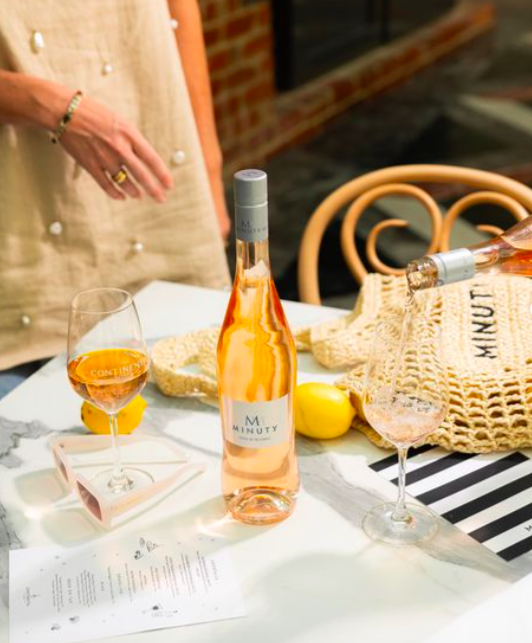
Photo via @chateauminuty
Most of our favorite qualities about rosé, like its freshness and sippability, make it ideal for a range of pairings, occasions, and seasons.

Photo via @chateauminuty
A brilliant robe, a nose of great finesse. Dominant flavors of tangy red berries are followed by notes of apricot. The wine’s pronounced minerality draws out a lingering finish on the palate. This cuvée is the result of a meticulous blending of a selection of grapes from the Appellation with those from the estate. This wine has a crisp, clean, earthy and vibrant personality. Experience via ReserveBar.com

Photo via @chateauminuty
The 2023 vintage elevates the winery’s signature subtle flavors and intense aromas to new heights. It features elegant citrus and wild herb aromas, a light palate, and distinctive minerality with characteristic salinity from the Minuty terroir. The cuvée Château Minuty Rose et Or, with its generous, delicate suppleness, can accompany a wide variety of dishes, especially as it brings out the spices. Composed of 80% Grenache, 10% Syrah, 5% Cinsault, and 5% Tibouren, this wine is both elegant and crisp. Experience via ReserveBar.com
Have a listing you think should be featured contact us or submit here to tell us more! Follow Off The MRKT on Twitter and Instagram, and like us on Facebook.
Step into the world of fashion, food, and fabulous nightlife this NYFW with our guide to the most exclusive spots in NYC where style meets sophistication.
Read MoreRaise a glass to Labor Day with wines that are sure to impress, whether you're grilling in the backyard or soaking up the sun at the beach.
Read MoreAce your style at the US Open this year with Aperol’s vibrant tenniscore collection, perfectly modeled by Emily in Paris star Ashley Park.
Read More
The popularity of GLP-1 (glucagon-like peptide-1) drugs for weight loss is skyrocketing, promising a new approach to tackling obesity. However, as more people turn to these medications, it's becoming clear that many users are not sticking with the treatment long enough to see sustained results. According to a CNN article, a significant number of individuals using GLP-1 drugs are discontinuing their use prematurely, which can undermine their weight loss efforts and overall health goals. These findings underscore the need for a comprehensive weight loss strategy that goes beyond medication.
GLP-1 drugs like semaglutide and liraglutide have become household names in the weight loss community. Marketed under brand names such as Wegovy and Saxenda, these medications were initially developed for managing type 2 diabetes but have gained attention for their effectiveness in reducing appetite and promoting weight loss. Yet, as CNN highlights, the challenge lies in maintaining the discipline to continue the treatment and integrating it into a broader lifestyle change plan.
GLP-1 drugs work by mimicking the action of the GLP-1 hormone, which is naturally produced in the gut. This hormone plays a role in regulating blood sugar levels, slowing down the emptying of the stomach, and signaling to the brain that you're full. The result is a decrease in appetite and an increase in feelings of satiety, making it easier to consume fewer calories and, ultimately, lose weight.
When GLP-1 drugs are administered, they bind to receptors in the brain that influence hunger and satiety. This action helps reduce food intake and promotes weight loss, especially when combined with a low-calorie diet and regular exercise. However, it's important to recognize that while GLP-1 drugs can be effective, they are not a magic bullet. For sustained success, they must be part of a broader weight loss strategy that includes lifestyle and behavioral changes.
To get the most out of GLP-1 drugs, it's essential to make lifestyle adjustments that complement the medication. One critical aspect is addressing habits that contribute to weight gain. For example, late-night snacking can sabotage weight loss efforts by adding unnecessary calories at a time when the body is less likely to burn them. As we discussed in a previous article, curbing late-night cravings requires mindful eating during the day, staying hydrated, and establishing a consistent sleep routine. By managing these behaviors, individuals can enhance the effectiveness of GLP-1 drugs and achieve better weight loss outcomes.
Another valuable resource for those using weight loss medications is a comprehensive GLP-1 weight loss program. These science-backed program are designed to provide users with a comprehensive support system that goes beyond just medication. It includes access to obesity specialists, behavior-change experts, and a supportive community. The program emphasizes the importance of behavior change, giving users tools and guidance to help them develop healthier habits that will last a lifetime. This holistic approach ensures that individuals are not only losing weight but also making sustainable changes to their lifestyle that will help them maintain their results long-term.
While GLP-1 drugs offer promising results, it's crucial for individuals to be aware of potential side effects and fully understand what they are getting into. As reported by HealthDay News, some users of these medications have experienced gastrointestinal side effects such as nausea, vomiting, and diarrhea. In a study of 196,000 patients, these side effects led to about 36.5% of patients to discontinue use after a year. To avoid surprises, it's important to do thorough research, consult with healthcare providers, and be prepared for the possibility of side effects. This knowledge can help users manage expectations and stick with their treatment plan.
Although GLP-1 drugs can be a powerful tool for weight loss, they are most effective when used as part of a comprehensive strategy that includes lifestyle changes and ongoing support. By understanding how these drugs work, addressing unhealthy habits, and being aware of potential side effects, individuals can maximize the benefits of GLP-1s and achieve lasting weight loss success.
Elevate your beach day with these must-try summer beverages, perfectly crafted to keep you cool and refreshed in the summer heat.
Read MoreEmbrace the unique pleasure of red wine in the summer and discover how these vibrant, light-bodied reds can transform your warm-weather gatherings into unforgettable moments.
Read MoreJoin actress Sophie Turner and enjoy refreshing St-Germain Hugo Spritz at Bergdorf Goodman's exclusive pop-up event. Discover the unique sensory experience from July 17th to 21st.
Read MoreThere are a lot of reasons why temperature control plays a big part in storing wine properly. For example, wine does not mature slowly enough to maintain its essence and flavours when temperatures are too high or too low. In this article, we’ll look at the right temperature for storing wine, which elements help contribute to proper storage, and how you can store your wine effectively.
Getting an understanding of how temperatures can alter the characteristics of wine, whether it be for the better or worse, is a vital responsibility that comes with storing wine. For example, low temperatures under 5 degrees Celsius tamper with the ageing process and stop the wine from developing slowly over time. In addition, these low temperatures also cause the taste of wine to feel rough on the throat. On the other hand, very high temperatures that reach over 20 degrees Celsius cause the wine to become acidic, lose its flavour, and smell while also drying out the cork.
Storing wine in a dark place allows the temperature to drop slightly to appropriate levels for wine storage without exposing the wine bottles to heat gained by light exposure in the room. This is because if the wine gets any sort of sunlight, riboflavin acids in the wine will create chemical reactions with its amino acids, which will lead to sulphur thiols, giving the wine a smell of boiled eggs.
Other elements contribute to the ideal wine storage, which may include wine bottle positioning, vibrations, and humidity levels. Firstly, if you lay your wine bottle on its side, you help the cork stay damp constantly. Additionally, this will help to prevent too much oxygen from seeping through the bottle cork, which is similar to wine storage you’ll gain by finding wine fridges for sale online.
Furthermore, vibrations play a big role in too many acetone notes forming in the wine which will make it taste incredibly sweeter than normal. In addition, vibrations create sediment in the wine, making it taste overly acidic. Therefore, try to store your wines away from vibrational objects such as appliances that run on compressor systems because these machines are the culprit for most vibrations in your home.
Similarly to temperature, humidity is a big factor for wine bottles. For example, if you maintain humidity levels ranging from 60% to 70% around wines, it will prevent your bottle corks from drying out and wine leaking through.
For light and medium-bodied white wines, temperatures between 6 to 10 degrees Celsius are ideal. However, for light to medium-bodied red wines, 12 to 16 degrees Celsius is ideal. In addition, full-bodied red wines must be served between 9 to 12 degrees Celsius.
As opposed to storing your wines in a cellar or on a wine rack, a mini wine fridge can store a few wine bottles at a time which can also help you regulate the temperature of wines without worrying about moving your bottles away from heat, light, and dry air.
When it comes to preserving and drinking wine, temperature plays a great role in helping you maintain the quality of wines. By keeping a consistent temperature, you can make sure that all the expensive or vintage wines you buy, will be stored perfectly without worrying too much about changing its storage environment, especially if you have a wine cooler.
Have a listing you think should be featured contact us or submit here to tell us more! Follow Off The MRKT on Twitter and Instagram, and like us on Facebook.
Explore the top rooftop bars and lounges in NYC this summer. Enjoy stunning views, crafted cocktails, and vibrant atmospheres.
Read MoreRecipes to try at home
Read MoreExperience the Magic Hour Surf Club pop-up at Magic Hour Rooftop Bar & Lounge, featuring retro beach vibes, eclectic decor, and new summer sips and bites.
Read More