“I’ll Meet You In 42BELOW”
An Emerging Residential Area in Midtown Manhattan Grows with More Places to Eat, Dine, and Play
Manhattan’s Midtown South has historically been known as a sleepy office district. But changes to the area’s zoning, coupled with the sheer magnitude of exciting food and related concepts opening there, are redefining the area as NYC’s the City’s new “it” place to live, dine, and gather. Known as 42BELOW, the corridor zone spans roughly from 42nd Street to the low-30s, between 6th and 8th Avenues, and is seeing exponential growth. It includes Bryant Park, Koreatown, Herald Square, Penn District, the historic Garment District, and the southern edge of Times Square.
In particular, the Midtown South Mixed Use Rezoning Plan has been instrumental in revitalizing this largely 9-to-5 business district into a vibrant, 24/7 mixed-use neighborhood. This rezoning encourages converting office buildings into residential housing and creating public areas.
Unprecedented Retail, Food & Beverage Growth
All of this momentum is drawing new retailers, eateries, food concepts, nightlife and more. According to the influential dining guide The Infatuation, there were over 900 new restaurants opening in 2025 across Manhattan, with 42BELOW claiming the largest percentage of that growth, making it one of the most active districts of F&B options city-wide.
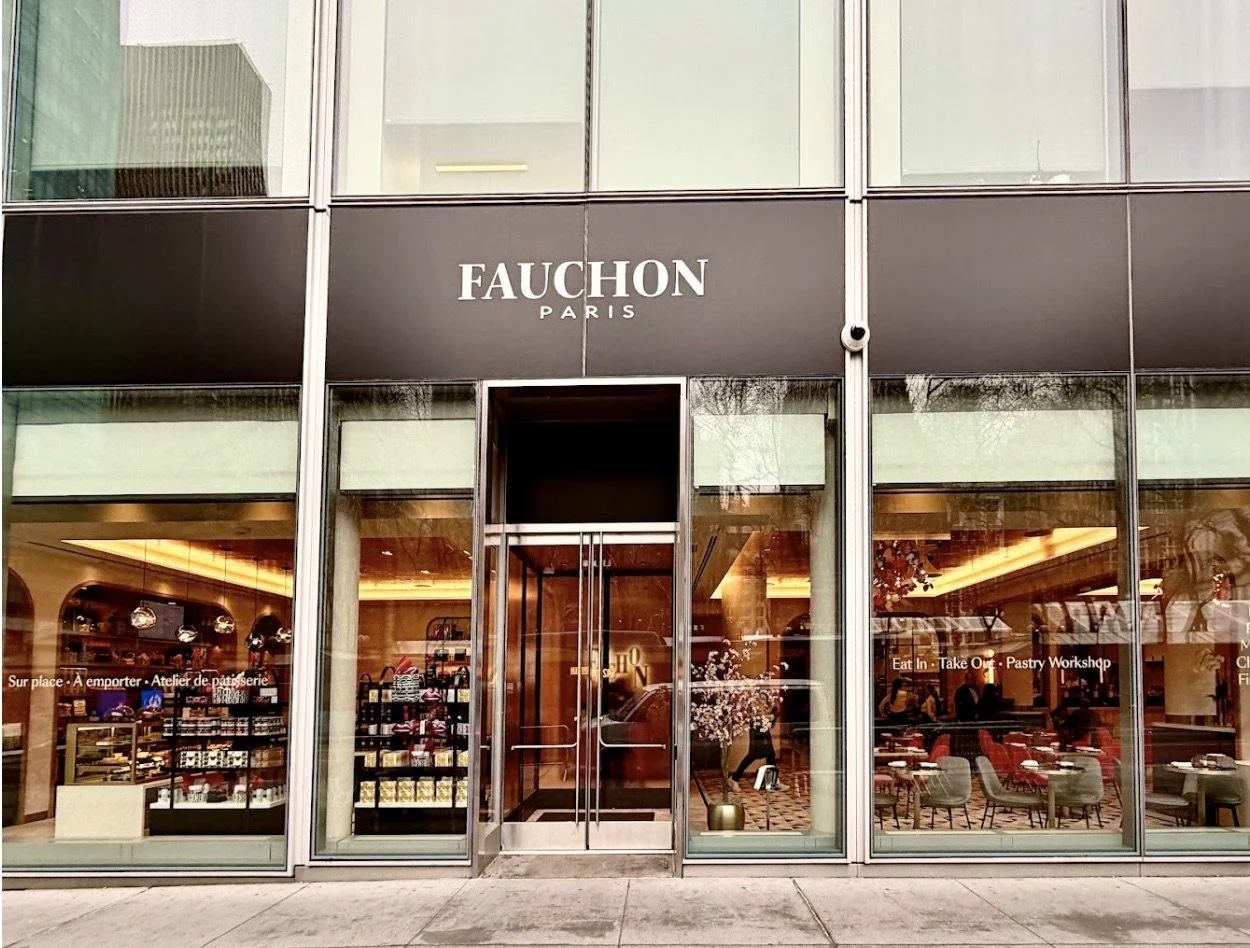
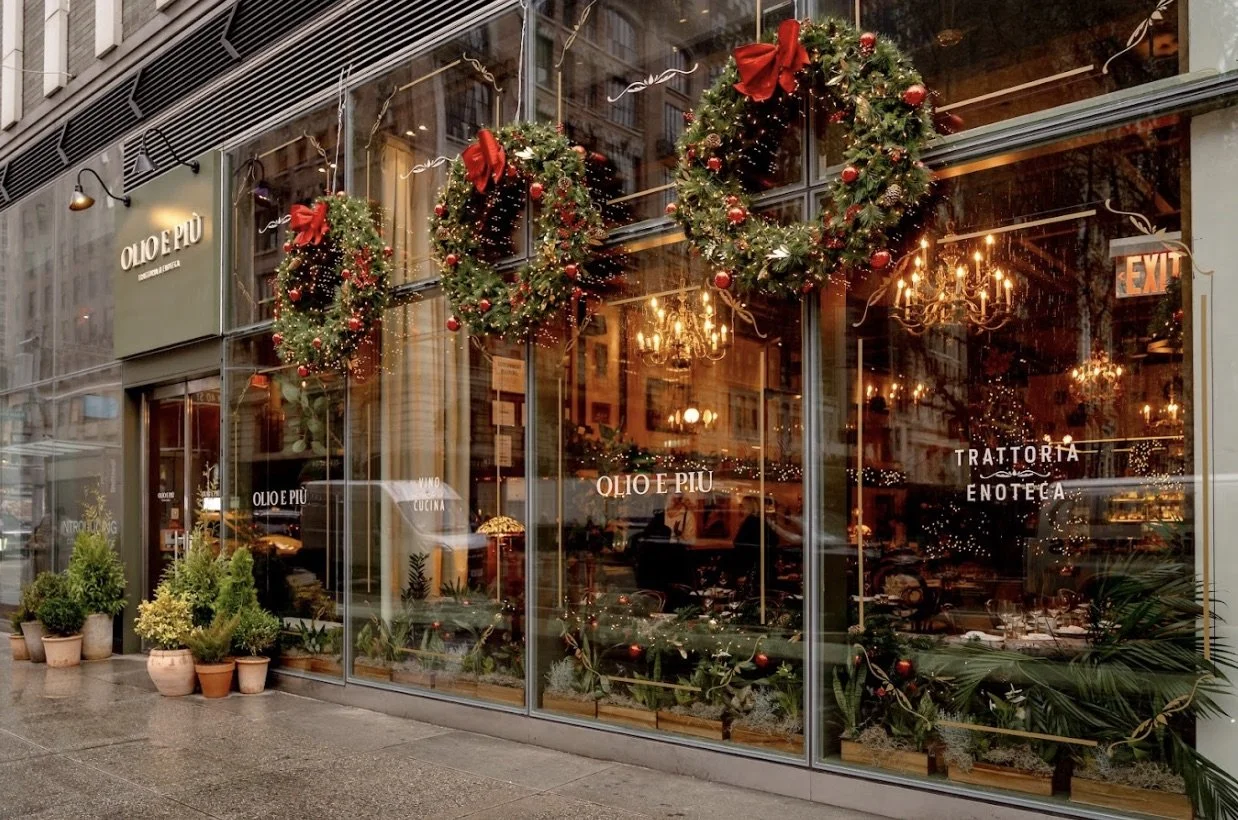
New openings are much buzzed about, such as Jean-Georges (opening in 25,000 square feet in Bryant Park) and FAUCHON, which opened at Two Bryant Park after a 20 year hiatus from NYC, to name a few. Other high profile newcomers in 42BELOW like Serafina Restaurant Group’s Brasserie Cognac, Olio E Più, and Blue Ribbon Sushi join discrete foodie places like Sushi 35, an omakase spot founded by former Masa chef Jacky Ye, which has become a hidden gem near Seventh Avenue. Of course, the long-time favorites in Koreatown show no sign of slowing down either, with lines still forming outside nightly at Her Name is Han and Woorijip; and the Michelin starred eateries like Noksu (1 star) and Joo OK (2 stars) mix with popular spots like Jongro BBQ Market AYCE, which has just opened a second outpost several blocks north.
Barbara A. Blair, who is president of the Garment District Alliance, counts 74 new eateries having opened in her district alone since 2020, while 45 existing restaurants have renewed their leases. “Now, we are seeing the buzz of more residents and new cuisine to match, defined by diversity, accessibility, and bold, forward-thinking concepts,” says Blair. Andrew Rigie, Executive Director, NYC Hospitality Alliance, agrees: “It’s remarkable that an area where offices once emptied after work, and then cleared out during the pandemic, is today a vibrant dining destination drawing both local and world-renowned restaurateurs. This is yet another example of how food and beverage businesses anchor neighborhoods and play a crucial role in economic development, revitalization, and city planning,” says Andrew Rigie, Executive Director, NYC Hospitality Alliance.
Residential & Investment Momentum
As restaurants, nightlife, and shopping in the corridor continue to grow, the area is expected to flourish even more with new residential inventory.
Between 2024 and 2025, 27 office buildings were sold in Midtown South. Altogether, these buildings sold for more than $1 billion, according to the global commercial real-estate advisory firm JLL. This shows strong investor confidence in 42BELOW. Many of these buildings will be converted into housing under the 2025 Midtown South mixed-use rezoning plan. It is estimated that 9,500 new homes will be added to the area in the near future.
“As new residential developments come online and office conversions advance through the pipeline, retailers are taking space, renewing leases, and re-entering this area of Midtown with concepts designed to serve residents, workers, and visitors throughout the day and evening,” says Robin Abrams, Vice Chairman at Compass.
The neighborhood’s proximity to expansive green spaces like Bryant Park and Central Park, along with unparalleled access to major subway lines and commuter transit, makes it especially attractive for both businesses and the growing residential community. It rebuilds community life in what was once an all-office district and creates an ideal live-work-play area for locals and tourists alike.