Exploring the Unique Color Patterns and Genetics of Alien Betta Fish
The Alien Betta fish, a striking variant of Betta splendens, is admired for its vivid colors and distinctive appearance. Developed through selective breeding, this variety showcases iridescent hues and intricate patterns that give it an otherworldly appeal. Although admired for its beauty, the Alien Betta requires attentive care to maintain good health. Stable water conditions, a nutritious diet, and proper tank management are essential. Males can be territorial and occasionally aggressive, but with careful introduction, they may coexist peacefully in community tanks.
Distinctive Traits and Behavior
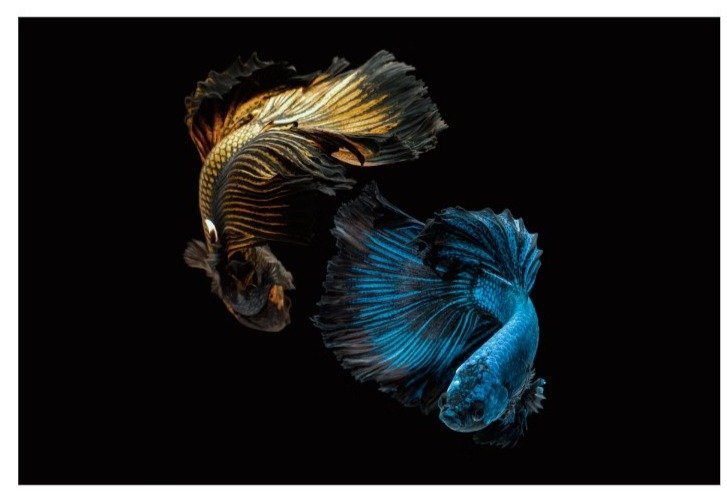
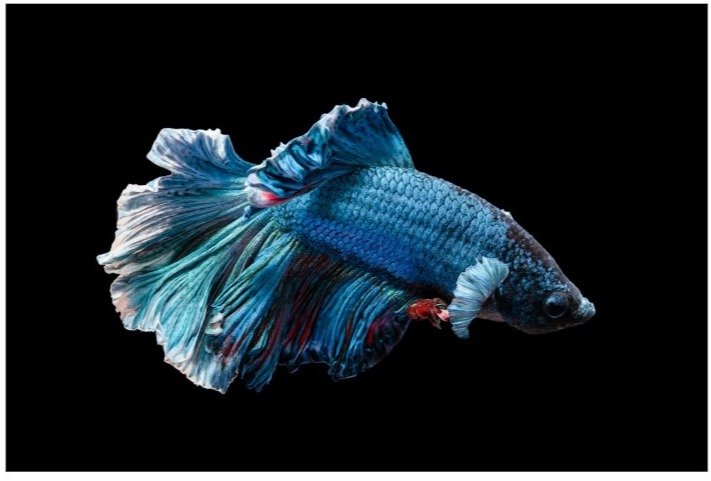
Alien Bettas stand out among ornamental fish because of their brilliant colors and flowing fins. Their shades often include metallic blues, greens, and deep blacks that shimmer under aquarium lighting. In addition to their visual charm, these fish display unique body shapes and fin structures that enhance their elegance.
Despite their appeal, Alien Bettas retain the territorial instincts typical of their species. Males, in particular, guard their space and may challenge others during breeding or feeding. However, with proper environmental control and compatible tank mates, their behavior becomes more manageable. Their mix of curiosity and occasional aggression adds to their allure, attracting aquarists who appreciate both beauty and personality in a pet fish.
Color Patterns and Their Significance
The vivid colors of Alien Betta fish result from a complex interaction of pigments and light-reflecting cells. Three main pigment types melanin, carotenoids, and iridophores, contribute to their distinctive appearance. Melanin produces darker shades, carotenoids create reds and oranges derived from diet, and iridophores reflect light to generate shimmering blues and greens. Through generations of selective breeding, these pigments have been enhanced to produce the remarkable range of color patterns now seen in aquariums.
The intensity of a Betta’s color can also indicate its health and environment. Vibrant hues usually reflect good care, while dull or faded tones may suggest stress or illness. Color patterns play an important role in mating displays and territorial communication. For breeders, understanding these visual cues helps in selecting parent fish, ensuring stronger genetic lines and maintaining the species’ aesthetic diversity.
Genetic Foundations
Genetics underpin the remarkable variety seen among Alien Bettas. Specific genes control pigment production, fin development, and body structure. Through selective breeding, aquarists have been able to emphasize desired traits such as iridescent scales, unusual color combinations, and elaborate fins. These genetic factors not only influence physical appearance but also affect growth, behavior, and resistance to disease.
Research into Betta genetics continues to advance understanding of how these traits are inherited. By studying DNA sequences, breeders can identify which pairings are most likely to produce healthy offspring with desirable characteristics. Responsible breeding practices ensure that the appeal of Alien Bettas is preserved without compromising their genetic health.
Breeding Practices and Challenges
Successful breeding of Alien Betta fish requires both genetic understanding and ethical consideration. Breeders carefully select pairs to enhance specific traits such as fin shape, color intensity, or size while avoiding genetic weaknesses. Selective breeding has produced stunning results, but overemphasis on visual traits can sometimes lead to health issues, including reduced fertility or deformities.
Therefore, balancing aesthetic goals with the species’ well-being remains vital. Maintaining genetic diversity and monitoring offspring health helps reduce inbreeding problems and promotes sustainable breeding practices within the aquarium trade.
Conservation and Sustainability
Preserving the genetic diversity of Alien Betta fish is essential for their long-term survival and resilience. A wide genetic pool improves adaptability to environmental changes and reduces vulnerability to disease. Conservation efforts focus on habitat restoration, captive breeding, and awareness campaigns.
Restoring natural habitats in Southeast Asia, where many Betta species originate, helps maintain ecological balance. Captive breeding programs also play a role in reducing pressure on wild populations. Meanwhile, public education encourages responsible ownership and raises awareness of the importance of conserving these remarkable fish.
Conclusion
The Alien Betta fish is a striking example of how selective breeding and genetics can produce extraordinary beauty in aquatic life. Its radiant colors, distinctive fins, and complex behaviors make it a favorite among aquarists. However, sustaining this species requires more than aesthetic appreciation it demands careful breeding, responsible care, and a commitment to conservation. By understanding its biology and supporting ethical practices, enthusiasts can help ensure that the captivating Alien Betta continues to thrive in both home aquariums and natural habitats.
FAQs
What makes the Alien Betta fish different from regular Betta fish?
Alien Bettas are hybrid varieties created through selective breeding between different Betta splendens lines. They are known for their metallic sheen, unique scale patterns, and vivid iridescent colors that distinguish them from common bettas.
Can Alien Betta fish live with other fish?
Alien Bettas can coexist with peaceful tank mates if introduced carefully. However, males are territorial and should not be housed with other male bettas. Providing enough space and hiding spots helps reduce aggression in community aquariums.
What are the ideal water conditions for Alien Betta fish?
They thrive in clean, warm water with temperatures between 75°F and 82°F and a pH level of 6.5 to 7.5. Regular water changes and proper filtration are essen